
Beyond sun and sand: 5 Costa Blanca secrets
When someone mentions the Costa Blanca, most people's minds immediately travel to a postcard image: white sand, turquoise waters and a parasol. But for those of us who live and work here, that's only the surface. The Costa Blanca, and especially the Marina Alta, is a complex, rich and nuanced ecosystem that most tourists — and even many novice investors — completely overlook.
If you're looking for a place where you can not only put your money, but also gain years of life, you need to understand the reality of this area in 2026. Here are the 5 truths that define the present and future of our Mediterranean paradise.
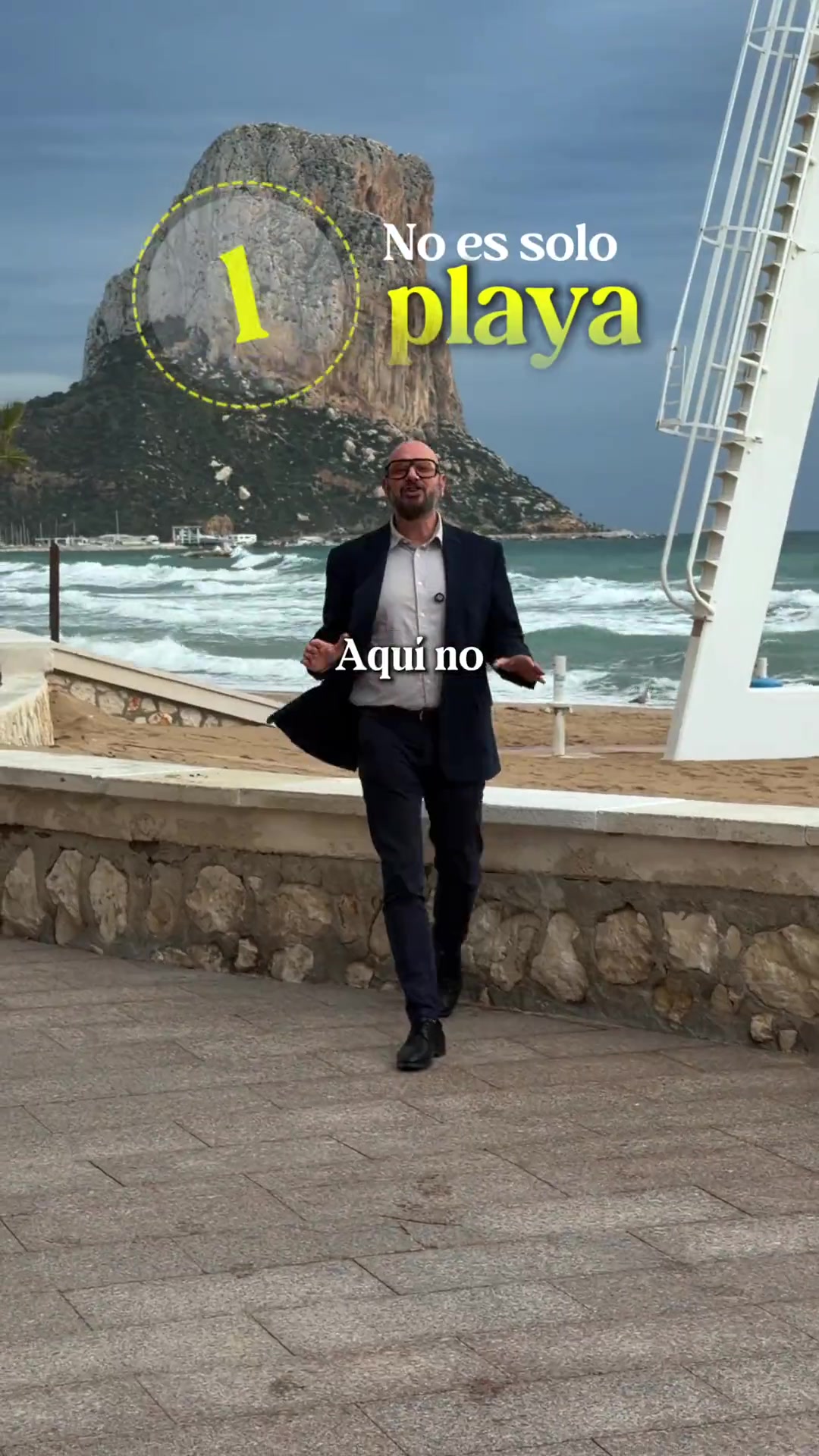
1. A green lung just steps from the blue
There's a common misconception that living here means living in a concrete jungle by the sea. Nothing could be further from the truth. The magic of the Marina Alta lies in its duality.
You can wake up in the absolute calm of valleys like the Vall de Gallinera or among the vineyards of Xaló, surrounded by mountains and silence, and in just 15 to 20 minutes be having coffee at the harbour in Dénia. This combination of "green and blue" is what's attracting a new buyer profile that seeks privacy without isolation.
2. "Slow life" isn't marketing — it's culture
In major cities, time slips through our fingers. Here, life moves at a different pace. It's not "Mediterranean posturing"; it's a social fabric that prioritises wellbeing. Leisurely breakfasts, the culture of the "esmorzaret", walking in the streets and living outdoors. This way of life lowers cortisol levels and improves mental health — something that in 2026 has become the most sought-after luxury for remote-working professionals.
3. A climate designed for health
We often say we have "good weather", but technically we have an exceptional microclimate. With over 300 days of sunshine a year and average temperatures that avoid extremes, the Costa Blanca is a natural sanatorium. This climate stability doesn't just affect your energy bill (less heating and air conditioning) — it directly impacts your daily energy levels and your mood.
4. An integrated melting pot of cultures
Unlike other destinations that feel like "theme parks" for foreigners, the Marina Alta has a real, organic mix. Local families with deep roots live alongside young entrepreneurs, digital nomads and international residents from across Europe. It's not a place people pass through; it's a community where people integrate, children attend international schools and genuine bonds are formed. It's a place where life is lived — not just where summers are spent.
5. The real estate secret: all that glitters is not gold
This is where most investors make mistakes. The Costa Blanca is vast, and not the entire coastline is a good buy.
- There are areas with marketing-inflated prices where returns are minimal. - There are emerging areas with real appreciation potential that go unnoticed.
The difference between a mediocre and an excellent investment isn't whether the house is "pretty" or has a magazine-worthy pool — it's about understanding the micro-location and the growth potential of the specific area.
What I couldn't tell you in the 60-second video: the Marina Alta's "resilience rate"
In the video I mention that there are areas with real opportunities, but there's a key data point that explains why I bet wholeheartedly on the Marina Alta over other parts of the Costa Blanca: its market resilience.
While mass-tourism zones suffer drastic price drops during economic downturns, hubs like Dénia, Jávea and Teulada-Moraira hold their value. Why? Because the buyer profile purchases with their own capital, doesn't depend heavily on external financing and prioritises quality of life over speculation. In 2026, investing here is like buying "real estate gold": the asset may fluctuate, but the intrinsic value of the location and lifestyle always keeps it afloat.
Comparison: what are you really buying?
| Factor | Tourist's perspective | Smart investor's perspective |
|---|---|---|
| Beach | Just sand and sunbathers | Land value and scarcity of beachfront plots |
| Inland villages | "Nice places to visit" | Value reserves and strategic tranquillity |
| Climate | "For wearing swimsuits" | Energy savings and wellbeing 365 days a year |
| Community | "Holiday crowds" | International talent and real networking |
Frequently asked questions (FAQ)
1. Is it better to buy inland or on the coast for investment?
If you're after quick holiday rental returns: the coast. If you're looking for long-term appreciation and personal quality of life, the inland areas (15 minutes from the sea) currently offer better prices per square metre.
2. What's the profile of the remote worker in the area?
Typically professionals aged 35 to 55, Europeans or from major Spanish cities, who value fibre optic broadband as much as sea views. They look for functional homes with space for a home office.
3. Is there a bubble on the Costa Blanca?
There are areas with very high prices, but in the Marina Alta the scarcity of developable land acts as a natural brake on oversupply, thereby protecting the value of existing properties.